The “Hidden” Truths about Gluten & Dairy Free Labels
Posted on
April 7, 2026
in
, by
Michelle Ranieri, Functional Nutritionist & Integrative Wellness Liaison to Dr. Alan Sherr
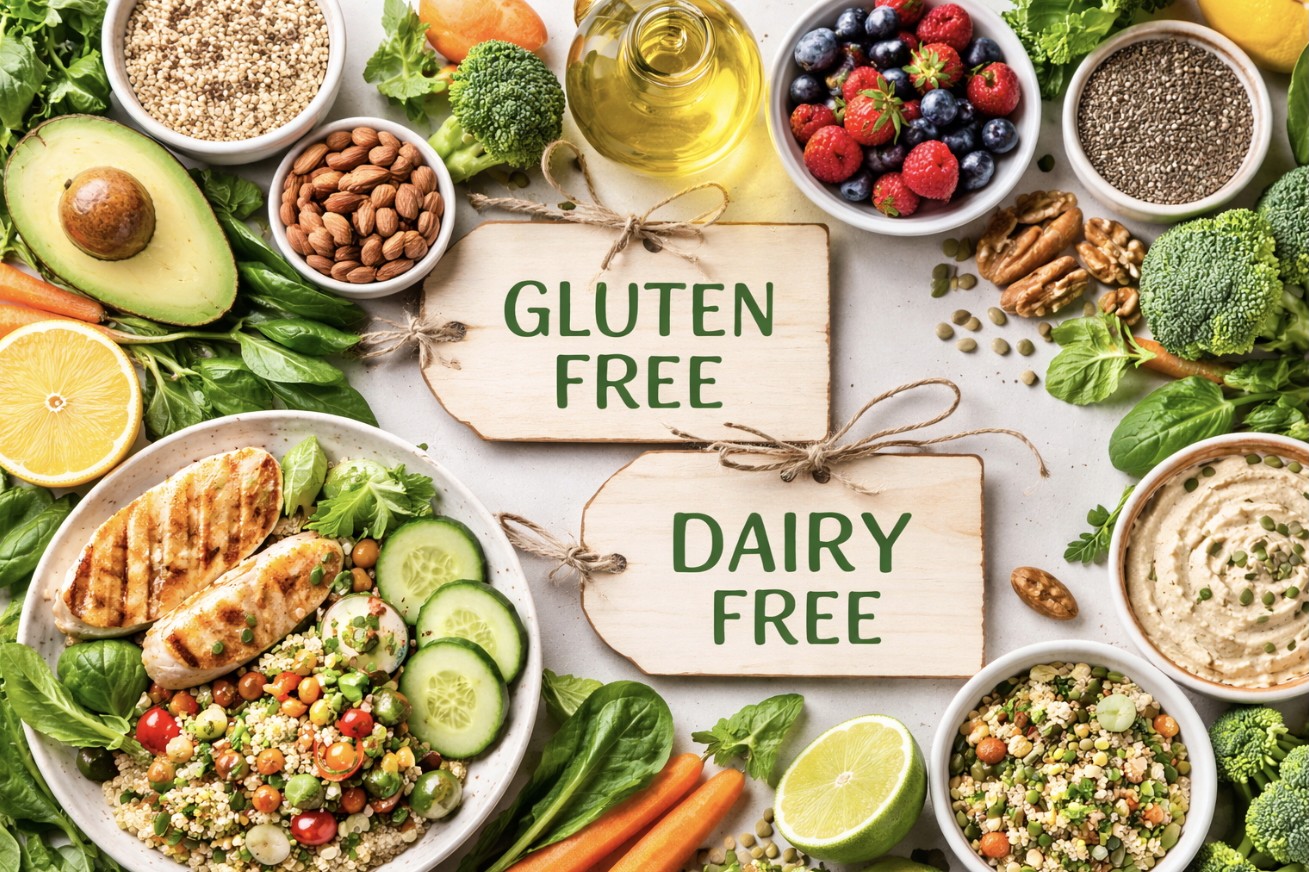
“Gluten-free” and “dairy-free” don’t automatically mean “healthy.” These labels are incredibly helpful for people who need to avoid certain foods, but they can also create the impression that a product is better for you simply because it removes gluten or dairy. In reality, many of these foods are still highly processed and rely on refined starches and added ingredients to recreate the taste and texture of traditional products.
When gluten or dairy is removed, manufacturers often replace them with ingredients designed to mimic the same structure and flavor. Common substitutes include tapioca starch, potato starch, gums, emulsifiers, and seed oils. These ingredients help gluten-free breads hold together or give dairy-free products a smoother texture, but they don’t necessarily provide meaningful nutrition. In many cases, the final product ends up being more processed than the food it was meant to replace.
Food companies also work hard to make these products taste just as good as their conventional counterparts. To achieve this, additional sweeteners, flavor enhancers, stabilizers, and preservatives are often added. While these ingredients improve flavor and extend shelf life, they can make foods more difficult to digest and less supportive for overall health, especially for individuals trying to reduce inflammation, support their gut, or stabilize blood sugar.
A healthier approach is to shift the focus away from simply replacing gluten or dairy products and instead look at the overall quality of the foods being chosen. The body thrives on foods that are as close to their natural state as possible foods made with recognizable ingredients that provide real nourishment. When meals are centered around simple, nutrient-dense foods rather than heavily modified substitutes, the body is far better equipped to digest, absorb nutrients, and maintain steady energy.
Ultimately, gluten-free and dairy-free eating should be about supporting the body, not just avoiding certain ingredients. Taking a moment to read ingredient labels and being mindful of long lists of additives can make a meaningful difference.
When the emphasis is placed on clean, whole foods rather than highly processed alternatives, it becomes much easier to support digestion, reduce inflammation, and create a way of eating that truly promotes long-term health.
Examples of Whole, Nutrient-Dense Foods That Are Naturally Gluten-Free and Dairy-Free
• Grass-fed beef
• Pasture-raised chicken and turkey
• Wild-caught fish and seafood
• Eggs
• Leafy greens (spinach, arugula, chard, collards)
• Cruciferous vegetables (broccoli, cabbage, Brussels sprouts)
• Root vegetables (carrots, parsnips, turnips)
• Squash varieties (acorn, delicata, spaghetti squash)
• Sweet potatoes and yams
• Avocados
• Olives and extra-virgin olive oil
• Nuts such as almonds, walnuts, pecans, and macadamia nuts
• Seeds including pumpkin seeds, sunflower seeds, and hemp seeds
• Berries (blueberries, raspberries, strawberries)
• Apples, peaches, and seasonal fruits
• Fresh herbs and spices
• Bone broth
• Fermented vegetables like sauerkraut and kimchi
Bonus Recipe:
Spring Turkey & Arugula Bowl
Ingredients
• 1 grilled turkey breast, sliced
• 2 cups arugula
• ½ avocado, sliced
• ½ cup cucumber, diced
• 1 tbsp pumpkin seeds
• 2 tbsp extra-virgin olive oil
• Juice of ½ lemon
• Sea salt
Directions
Arrange arugula in a bowl.
Top with turkey, avocado, cucumber, and pumpkin seeds.
Drizzle olive oil and lemon juice over the bowl.
Season lightly with sea salt.
About the author:
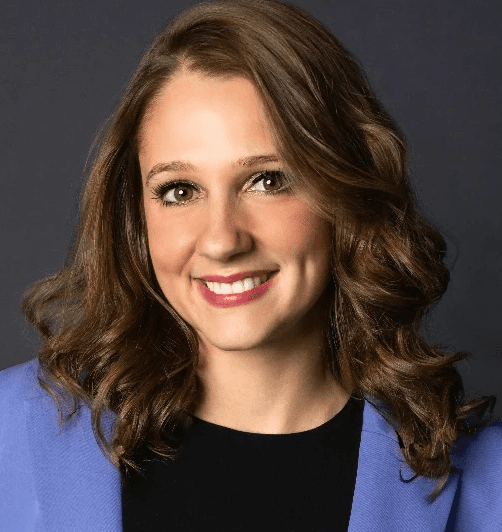
Michelle Ranieri recently joined the Northport Wellness Center professional team as Functional Nutritionist & Integrative Wellness Liaison to Dr. Alan Sherr.
Michelle closely collaborates with Dr. Alan Sherr to ensure that all patients seeking functional nutritional support or aiming to enhance their overall wellness have seamless access to comprehensive care. Together, they work to create integrated treatment programs designed to support each patient’s unique health journey.
Michelle earned her degree in psychology from Long Island University and holds advanced certifications in nutrition through Precision Nutrition and Healthy Steps Nutrition.
Passionate about helping people live healthier, happier lives, she takes a holistic approach to nutrition, focusing on each client’s unique goals, preferences and lifestyle. Michelle works with individuals of all ages to create personalized nutrition plans that are both realistic and sustainable.
To learn more about Functional Nutrition or to schedule an appointment with Dr. Sherr and Michelle, contact the Northport Wellness Center at 631-262-8505.